Pride of Place: Displaying Patriotism on the Roads of Preston and Leyland
On the roads of Lancashire, between the industrial heritage of Leyland and the bustling urban centre of Preston, a unique form of modern patriotism rolls by. It is not found in grand monuments or loud proclamations, but on the rear of vehicles—a personalised, mobile canvas where national pride and local identity converge: the patriotic private number plate. This phenomenon, far from mere vanity, represents a deep-seated desire to express allegiance to heritage, celebrate a specific moment in history, and connect individual identity to a broader national story, all while navigating the daily commute on the M61, the A6, or the streets of a proud community.
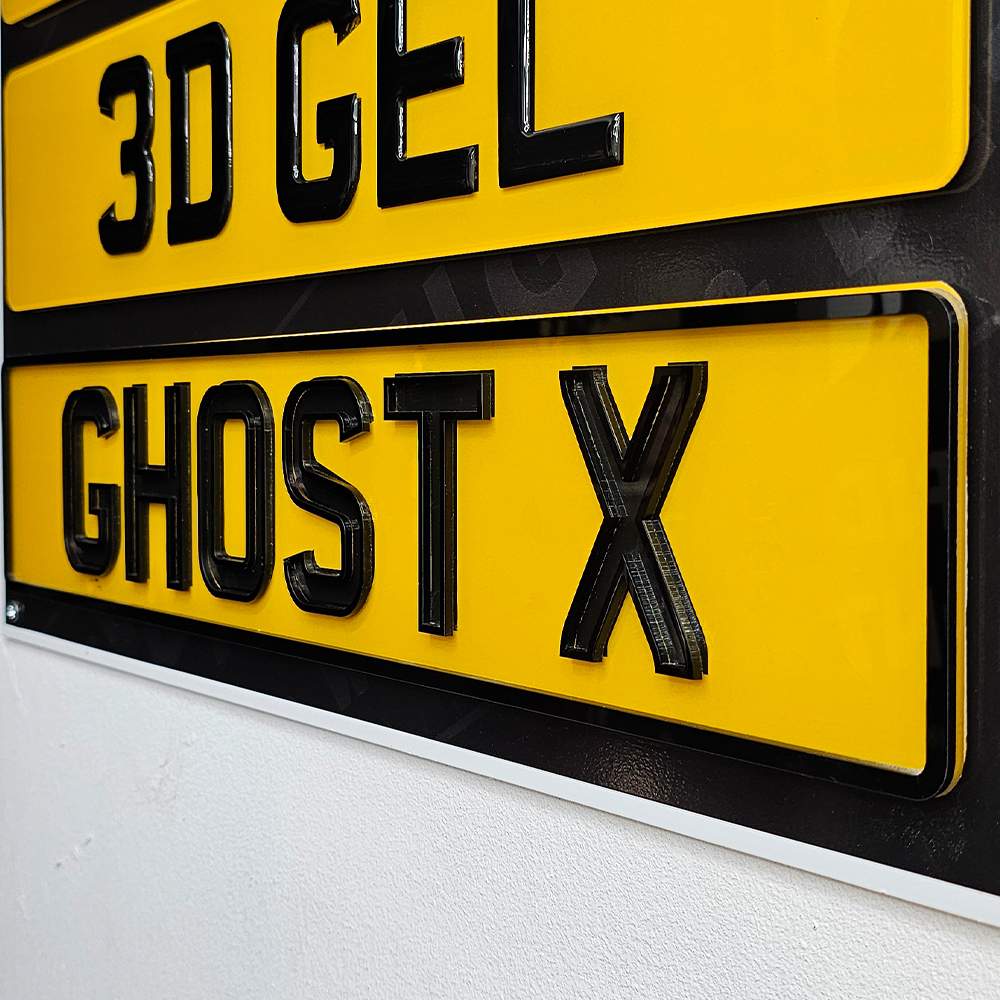
The most direct and potent expression of this pride is through the number plate itself. Personalised registrations have evolved from a status symbol into a sophisticated language of abbreviation and allusion. For those wishing to display British patriotism, the combination of letters and numbers becomes a cryptic yet clear signal to fellow motorists. Plates incorporating “UK” or “GB” are instantly recognisable, a simple declaration of nationality. Others may seek out registrations that spell out or suggest words like “BRIT” or “ENGL”. For a more historical flavour, some reference iconic years like “19 45” or “10 66”. These are not random sequences; they are carefully chosen badges of honour, purchased and displayed with intent. On a Range Rover parked outside the Leyland Hotel or a Vauxhall Astra in the Preston Docks development, these plates transform a everyday vehicle into a personal statement of belonging.
This trend is powerfully amplified when the plate is combined with patriotic symbols. The number plate serves as the text, and the surrounding frame, stickers, and decals provide the imagery. It is common to see these personalised plates flanked by a St. George’s Cross or the Union Jack on a plate surround. Flywheel stickers in the window might reiterate the same motif. This combination is potent: the alphanumeric code announces the *what* of the owner’s pride, while the symbols provide the *how*—a visual blast of red, white, and blue. This creates a cohesive and unmistakable message, a rolling tribute that is both personal and universally understood. In a region with a strong ex-services community, evidenced by the presence of organisations like the Royal British Legion in both towns, these displays often serve as a quiet, mobile testament to regimental pride or national military appreciation.
The local context of Preston and Leyland provides a particularly fertile ground for this expression. Both towns are steeped in a history of industrial and communal pride that aligns seamlessly with broader national sentiment. Leyland’s very identity is built upon its automotive history. The Leyland Motors brand was a titan of British industry, building vehicles that powered the nation’s commerce and even its war efforts. For a resident driving a modern vehicle adorned with a patriotic plate, there is a tangible connection to this legacy. It’s a celebration of not just “Britishness,” but of *Lancashire’s* monumental contribution to it. It links the pride of place—of driving through the streets where those iconic trucks were built—with pride of nation.
Similarly, Preston’s status as “England’s newest city” (granted in 2002) and its rich history foster a unique civic pride that often intertwines with national identity. The city’s Guild celebrations are a centuries-old tradition unique to Preston, a festival of community that is both intensely local and profoundly British in its pageantry and custom. A vehicle sporting a “PR3” or “PR2” postcode identifier alongside a patriotic plate or symbol effortlessly merges this local civic pride with national allegiance. It says, “I am from Preston, and I am proud to be British.” This is especially poignant in a city that has seen significant change and regeneration; such displays can be an assertion of enduring values and identity in a shifting world.
Furthermore, the social and cultural fabric of the area encourages this form of expression. Lancashire has a strong tradition of community spirit, from working men’s clubs to local rugby leagues. Displaying patriotism on one’s car functions as a social signal, a way of identifying with a like-minded tribe. On a match day for Preston North End at Deepdale, the streets are filled with cars not just sporting scarves, but often with number plates referencing the club or the year of a famous victory, sometimes accompanied by England flags. This fusion of sporting, local, and national pride is a common sight, creating a mobile panorama of collective identity. It’s a way of saying, “We belong to this place, and we support this nation,” all without saying a word.
However, this practice is not without its considerations. The display of national symbols, while for many a harmless expression of pride, can be perceived differently depending on the context. The driver must be mindful that in Britain’s diverse and multicultural communities, overt displays of national flags can sometimes be misconstrued or co-opted by groups with more extreme ideologies. The key differentiator is often context and composition. A plate that reads “UK 23” alongside a subtle, well-designed symbol is a world apart from aggressive or confrontational messaging. The vast majority of motorists in Preston and Leyland use these displays as a positive affirmation, a celebration of heritage rather than an exclusionary statement.
In conclusion, the combination of patriotic number plates and symbols on the roads around Preston and Leyland is a fascinating cultural practice. It is a modern, mobile form of heraldry that allows individuals to curate and display their identity. Rooted in the area’s profound industrial heritage and strong community spirit, this trend connects the personal automobile to a larger narrative of local and national pride. It is a silent, rolling testament to the fact that for many, pride in one’s postcode and pride in one’s country are not separate notions, but deeply intertwined. As these vehicles navigate the roundabouts of Leyland and the arterial roads of Preston, they carry more than just passengers; they carry a story—a story of place, of history, and of a quiet, enduring pride in being from Lancashire and from Britain.